

MiddleWeb’s July Articles
What if multigenerational teachers combined their superpowers? Also: launching math class; being culturally responsive; the mobile principal; scaffolding; poetry anthologies; math games; electives.
Who can keep up with anything these days?! Once a month we’re making it easy for MiddleWeb Substack subscribers by sending you brief descriptions of last month’s new MiddleWeb.com articles and reviews – written (as always) by educators who are doing the work. Just click on a title to check it out!

Articles
What Makes Teaching “Culturally Responsive”?
Culturally responsive teaching isn’t just inserting one or two “culturally relevant” activities into our lessons, Larry Ferlazzo and Katie Sypnieski say. It includes building relationships, developing student agency, providing wise feedback, and supporting an intrinsic motivation to learn.
What If Teachers Collaborated Across 5 Generations?
When one generation of teachers is dismissive of another, says Debbie Silver, both lose the opportunity to listen, learn, and grow. By allowing stereotypes and misconceptions to reinforce a ‘them vs. us’ mentality, “we bypass the benefits of a multigenerational workplace.”
How to Jump Start Your Math Class on Day One
Students learn what math is by experiencing math, says Mona Iehl. The first week gives us the first opportunity to shape that experience. “Teacher friend, the beginning of the year is not just about routines. It’s about identity.” Try these 5 shifts to ignite student thinking.

My Mobile Approach to Daily School Leadership
Instructional AP David LaMaster has developed a satchel and digital office setup that allows him to spend 80% of his time in hallways and classrooms supporting teachers and engaging kids – dropping by his office as needed. Learn about the results – and what’s in the satchel!
Supporting Productive Struggle with Scaffolding
Scaffolding is an integral part of productive struggle, writes teaching coach Barbara R. Blackburn. The goal, as always, is to support our students without solving problems for them. Here she looks at several ways to provide scaffolding and also teach students to self-scaffold.

Tap Into the Versatility of Poetry Anthologies
Children’s poetry anthologies and collections increase student choice and accessibility while also building their confidence as readers and writers of poems. Bring both alive for middle schoolers with Kasey Short’s student-centered activities and recommended book list.
How to Maximize Games in Your Math Classroom
When teachers make modest adaptations in their use of math games and puzzles, they can stimulate greater learning, recognize all learners as mathematicians, and increase middle school students’ time on task. The authors of Well Played share nine ways they maximize game play.
Electives Classes Need Accommodations, Too
We often focus on accommodations and support services in core subjects, writes Trecia Tomlinson. Yet students with disabilities need the same level of support in electives, where they are expected to apply academic, social, and organizational skills in real-world situations. Culinary arts teacher Tomlinson shares her experience.

Reviews
Trust: the Secret Power of Successful Schools
In Jen Schwanke’s book “Trusted,” she identifies trust as “the secret to successful schools” and enumerates the essentials of trust-building, including providing support for everyone along their journey to excellence. Highly recommended by leadership coach Matt Renwick.
How Schools & Families Can Nurture Belonging
Read Amber Chandler’s “Reclaiming Connection” to imagine how your contributions and collaborations could be used to construct a different form of schooling – schooling that focuses on how we help today’s students really learn to thrive. Highly recommended by Sarah Cooper.
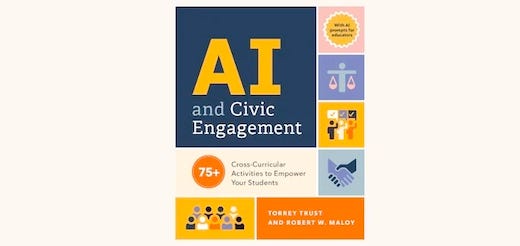
Help Students Use AI to Grow Civic Engagement
The authors of “AI and Civic Engagement” share ways to build students’ awareness of citizenship roles using GenAI tools, ISTE standards, cross-curricular connections, multiple activities, and reflection questions. MS teacher Tracey Muise finds the book essential reading.
Meeting Challenges that Derail PLC Efforts
For educators and school leaders who are tired of “PLC Lite” or feel their teams are stuck, Proactive Planning for Productive PLCs offers a thoughtful roadmap for building collaborative cultures that are productive and ultimately centered on improving learning for every student, says middle school principal Todd Brist.